
Archives de l’auteur : kodiak
Kaizen for soup kitchen
At a soup kitchen in Harlem, Toyota’s engineers cut down the wait time for dinner to 18 minutes from as long as 90. At a food pantry on Staten Island, they reduced the time people spent filling their bags to 6 minutes from 11. And at a warehouse in Bushwick, Brooklyn, where volunteers were packing boxes of supplies for victims of Hurricane Sandy, a dose of kaizen cut the time it took to pack one box to 11 seconds from 3 minutes. [x]
Sempé – ma préférée
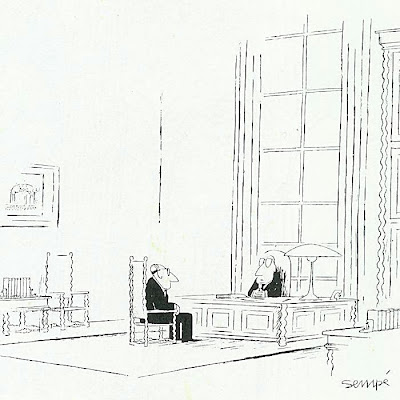
-Ensemble, nous allons relire votre pièce. Puis, après, nous y ajouterons par-ci, par-là, quelques gags désopilants.
Cherchée longtemps. Mais you can’t hide from the internet.
The Food-Truck Business Stinks
The Food-Truck Business Stinks – NYTimes.com
In Ecuador, for example, it takes about 56 days and 13 separate procedures to get all the legal paperwork done to start a new business. In the United States, it’s an average of six days and six procedures. But if you want to open a mobile-food business in New York, it’s essentially like starting a business in Ecuador — and that’s if you can somehow arrange a permit
Semper Sempé
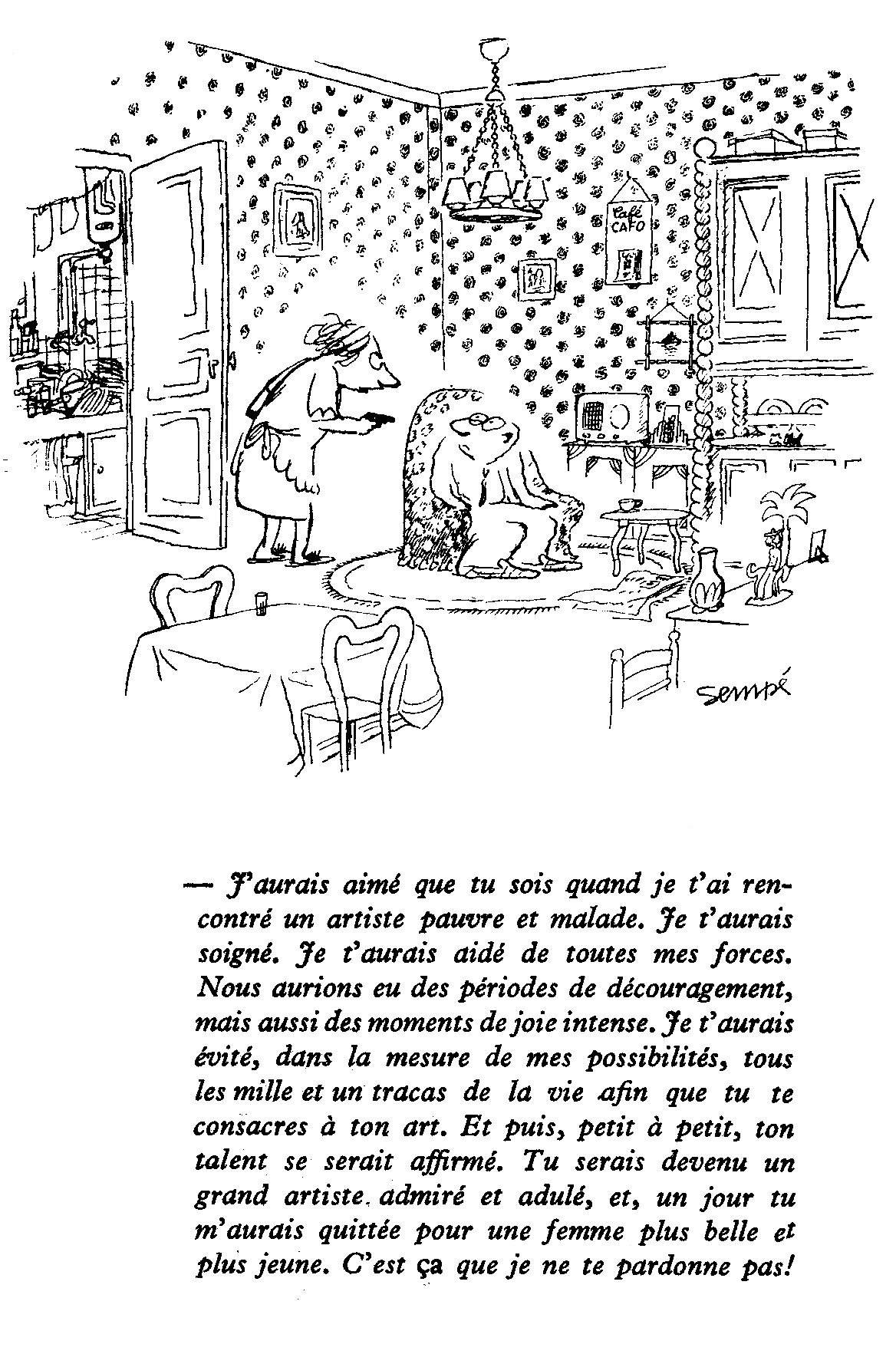
La crise, déjà…

Cronut
The recipe for the cronut explained by Jason Kottke
chi ku
Karen X. Cheng: Why I quit Microsoft (see also It’s scary to change careers)
Hannibal
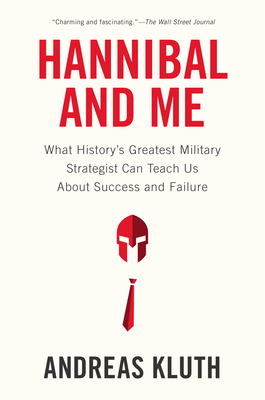
While US West Coast correspondent for The Economist, Andreas Kluth wrote Hannibal and Me: What History’s Greatest Military Strategist Can Teach Us About Success and Failure (Magnet URI). Great dissertation on how to stay focus and achieve, with Hannibal’s life sewn in (with Ariadne’s thread?). Filled with summary’s of ‘great’ peoples’ lifes, in clear prose (so clear the same quote is repeated twice within a few pages… where are the legendary Economist proof-readers?). The plot is classic. Take life of great peoples (define: people) and highligts some key events, as they are related by biographers. Insert some personal souvenirs ans some family history (uncle Lulu!) and draw som conclusions on how to manage your own life. In the last chapter, introduce Abraham Maslow‘s qualities of self-actualizing people. And forget to talk about god. Yes, not a single word, except to describe young Hannibal conducting a (maybe human) sacrifice with his father, or qualify Albert Scheweitzer as ‘theoligian’.
I still fail to understand why Lance Armstrong, Tiger Woods or Eleanor Roosevelt (« Great minds discuss ideas. Average minds discuss events. Small minds discuss people ») found their way in that book. However, is reads well, with the classical no-unnecessary-word style of The Economist.